
Learn with CCC
Practical insights, fresh research, relevant case studies, and hard-won lessons from the work we do with leaders and organizations
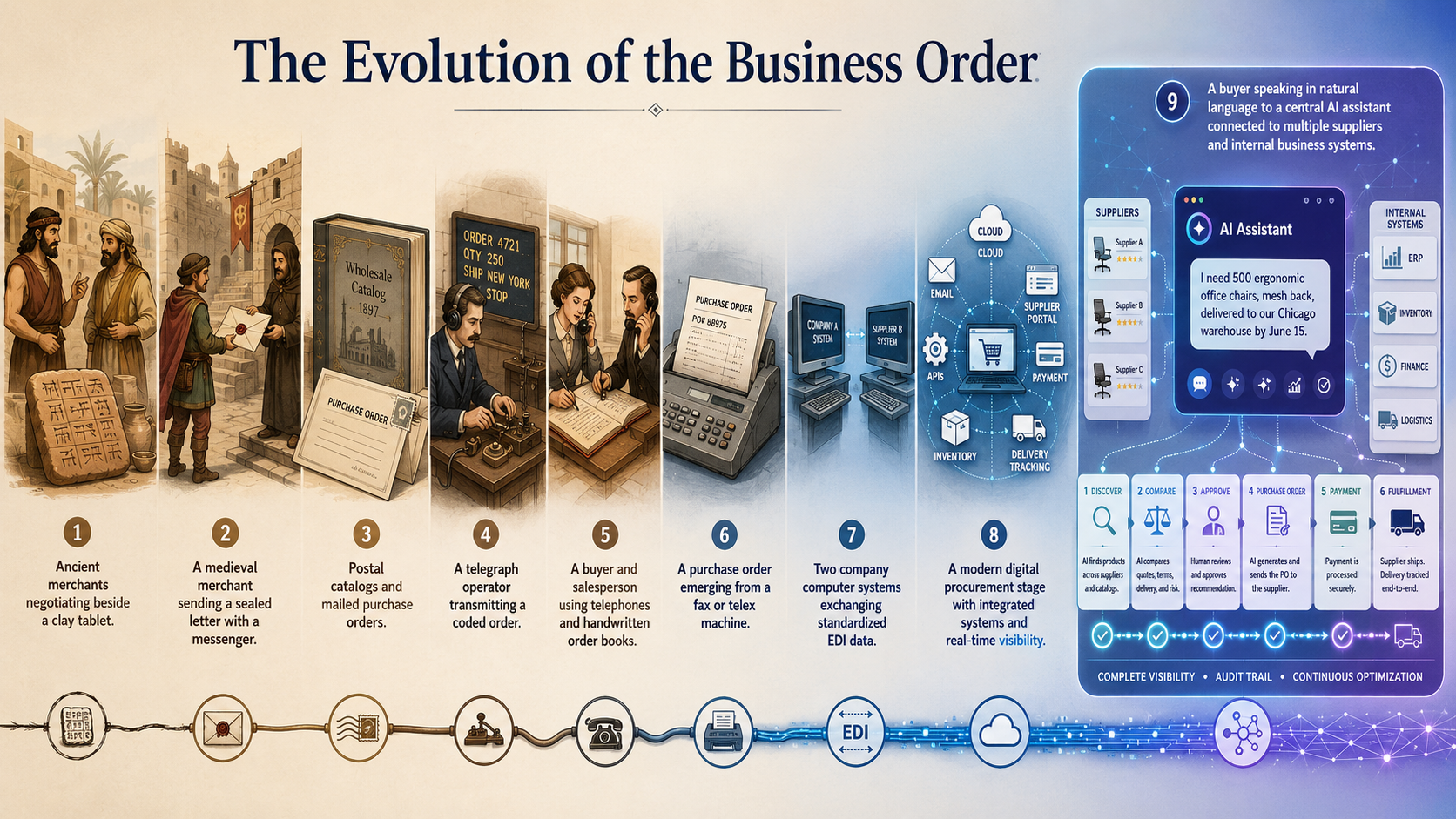
From Clay Tablets to AI Agents: The Evolution of the Business Order
Business ordering has evolved from face-to-face negotiations and handwritten records to connected digital systems that exchange transactions in real time. This article traces that progression through mail, telegraph, telephone, fax, EDI, e-commerce, and APIs—and explores the emerging shift toward AI assistants that can interpret needs, compare suppliers, coordinate approvals, and manage the transaction through fulfillment.
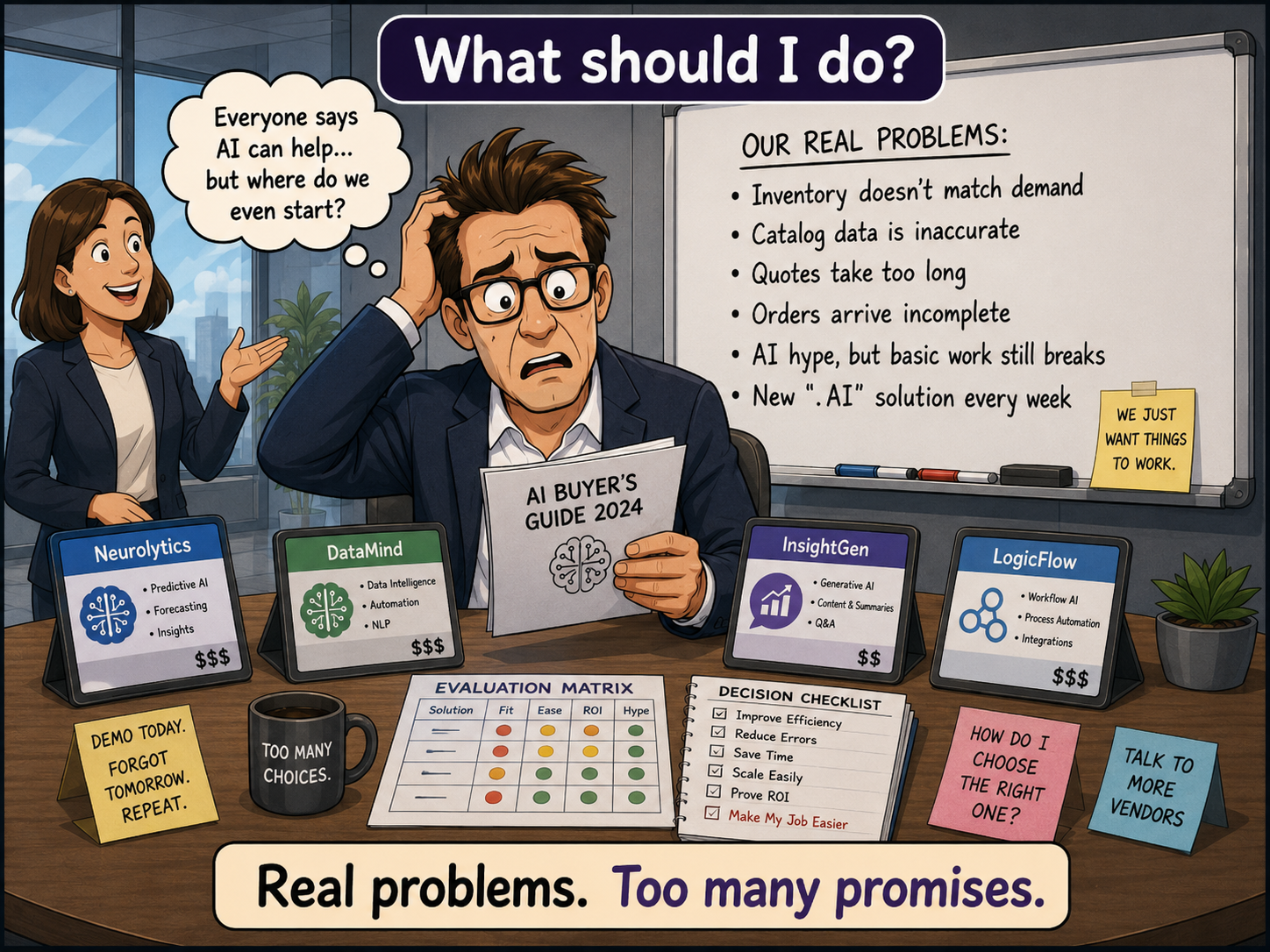
How Distributors Can Find the Right Solutions in the Age of AI
Distributors face growing operational complexity, from inventory mismatches and inaccurate product catalogs to inefficient quoting, poorly structured orders, labor shortages, and an overwhelming number of AI solutions.
The challenge is not simply choosing new technology, but determining which problems matter most, understanding how work flows through the organization, and identifying whether the real gap lies in technology, process, or adoption.
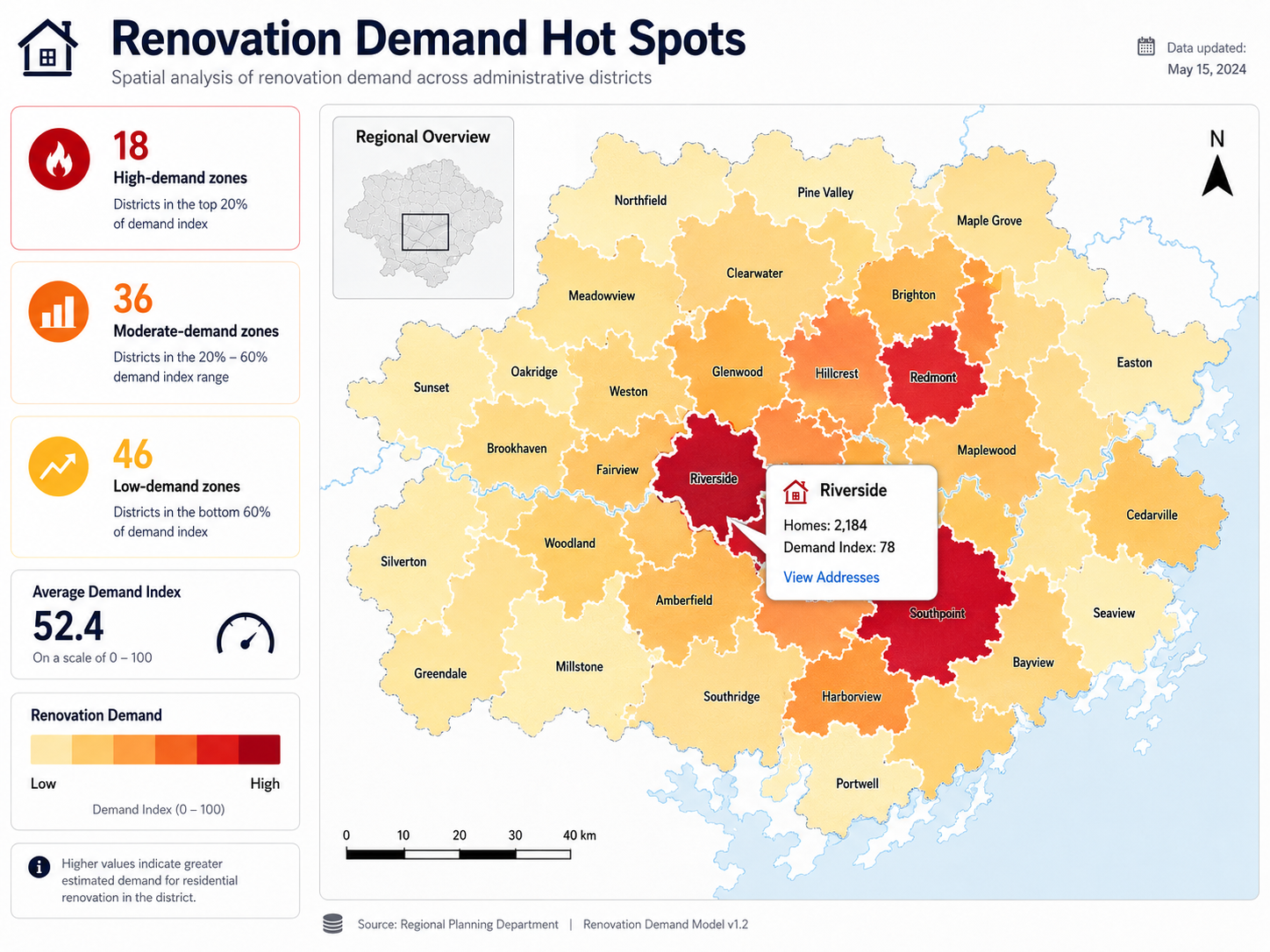
Predicting the Next Renovation Hot Spot in Your Service Area
Most contractors think renovation demand is something they have to wait for.
But what if you could identify the neighborhoods where renovation demand was likely to increase before the phone started ringing?
That may be more possible than most contractors realize.
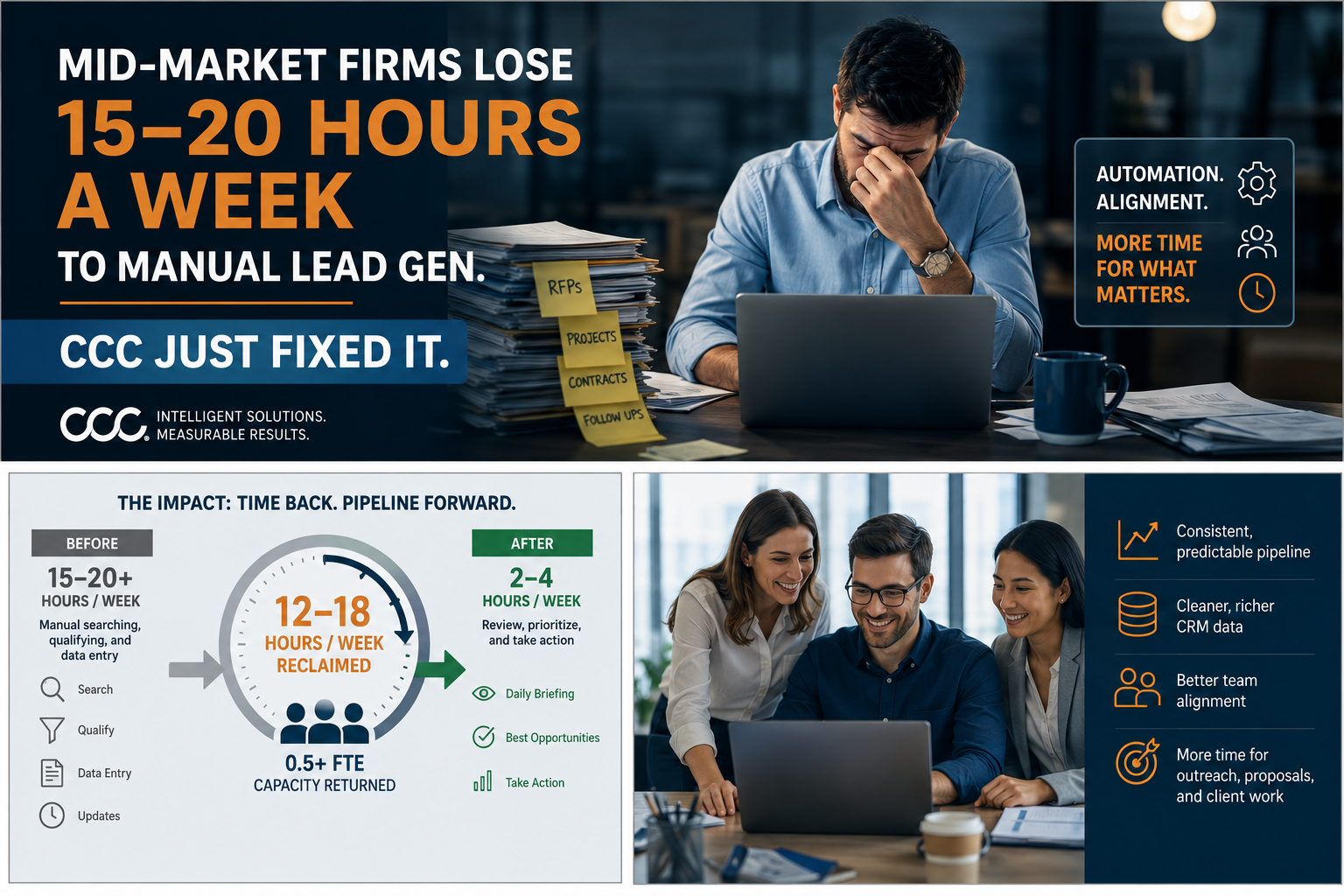
Case Study: Great Leads. Less Hassle.
A case study in how CCC aligned people, process, and technology to deliver measurable time savings and a reliable pipeline for a mid-market client.

Have You Mastered Your Business Footwork?
In basketball, footwork determines success under pressure, yet many players attempt complex moves before mastering the basics and fail when it counts. Businesses repeat this mistake by rushing AI and automation before mastering how information and work actually flow across the organization, which only scales existing chaos. The disciplined path is to first understand current business architecture, align teams on real workflows, redesign processes for desired outcomes, and prove execution before layering technology—enabling organizations to perform at a professional level and reclaim time for what matters.

Why You Can't Find Good People and Why Re-Designing the Work Might Be the Answer
Business owners across trades and service industries keep hitting the same wall: they cannot find enough reliable, trainable workers despite higher wages and broader recruiting, because the old informal pipelines of apprenticeships, family connections, and word-of-mouth have collapsed under retirements and demographic shifts. The deeper issue is rarely a total shortage of applicants but work designed around assumptions that no longer hold—tribal knowledge, unclear roles, and processes that burn scarce skilled talent on tasks others could handle. Re-designing the work starts by mapping business architecture to define actual tasks, separate skilled from support activities, convert experience into repeatable checklists and training, build onboarding for inevitable turnover, and apply technology to protect expertise while cutting waste and rework. Companies that treat labor as a system to engineer rather than a hiring problem to solve consistently convert available talent into productive capacity and reclaim leadership time for what matters most.
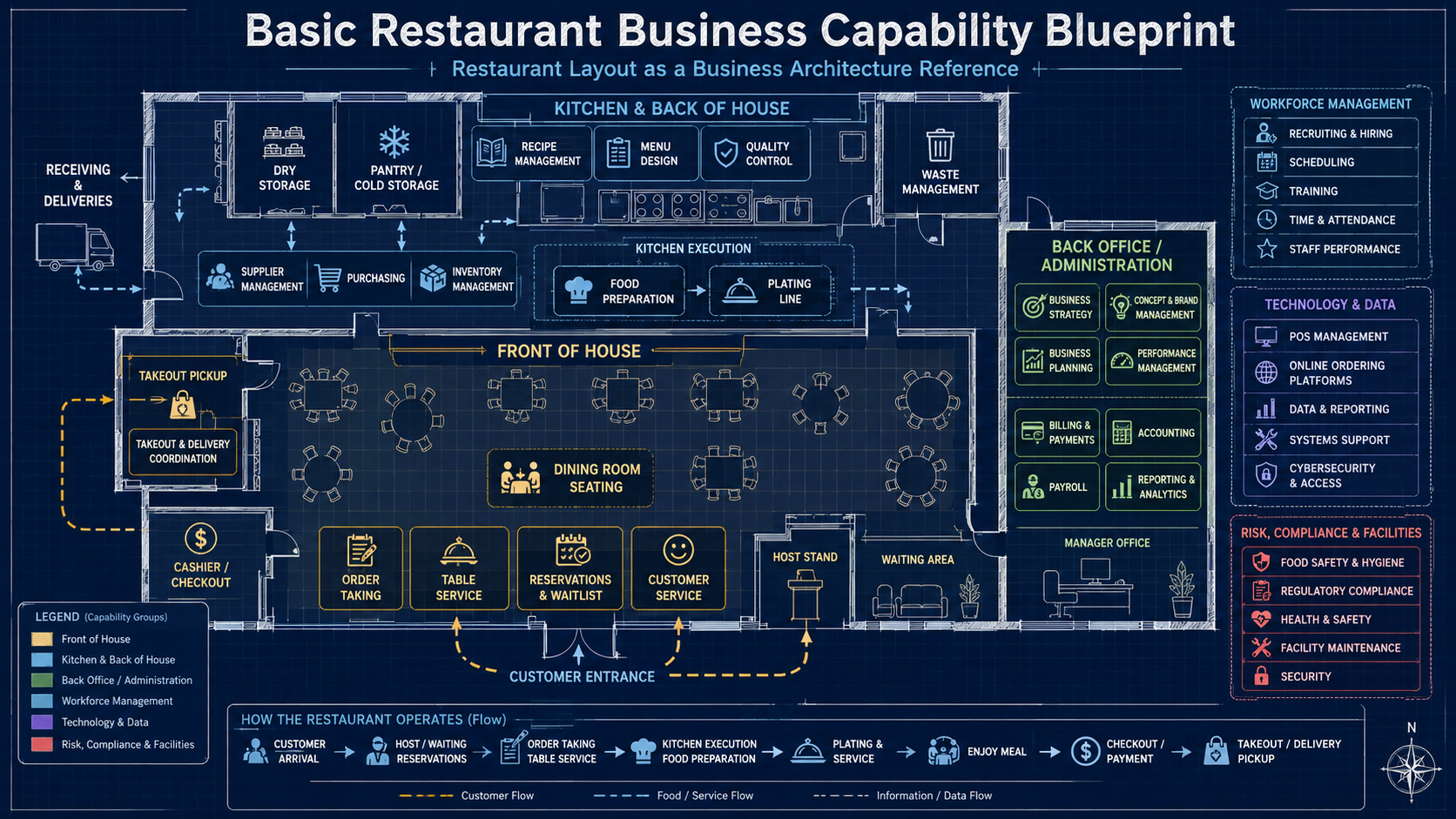
Enterprise Architecture as an Approach to Anything
nterprise Architecture is typically seen as a technical practice for aligning business strategy with technology, yet its core methods—especially the Zachman framework’s structured interrogatives (What, How, Who, When, Where, Why) and disciplined modeling—provide a highly transferable lens for analyzing and solving almost any problem. By systematically cataloging motivations, actors, processes, data, locations, and events at progressively detailed levels, this approach uncovers hidden requirements, reveals connections between people and work, reduces blind spots, and clarifies whether and how technology should support the desired outcome. Whether applied to designing a ride-sharing platform or opening a restaurant, it transforms ambiguous challenges into clear, shareable architectures that improve decision-making and execution. Leaders and teams who adopt this structured thinking gain sharper insight and confidence when decomposing complex problems, even in non-technical domains.